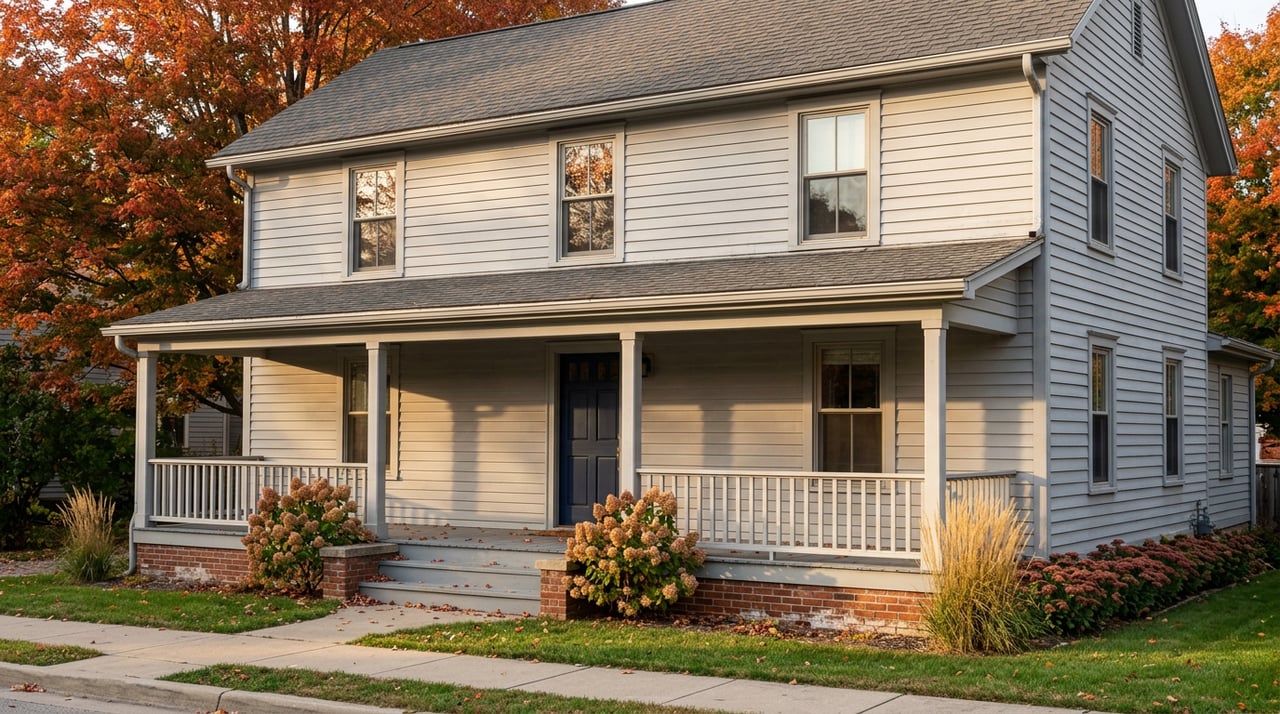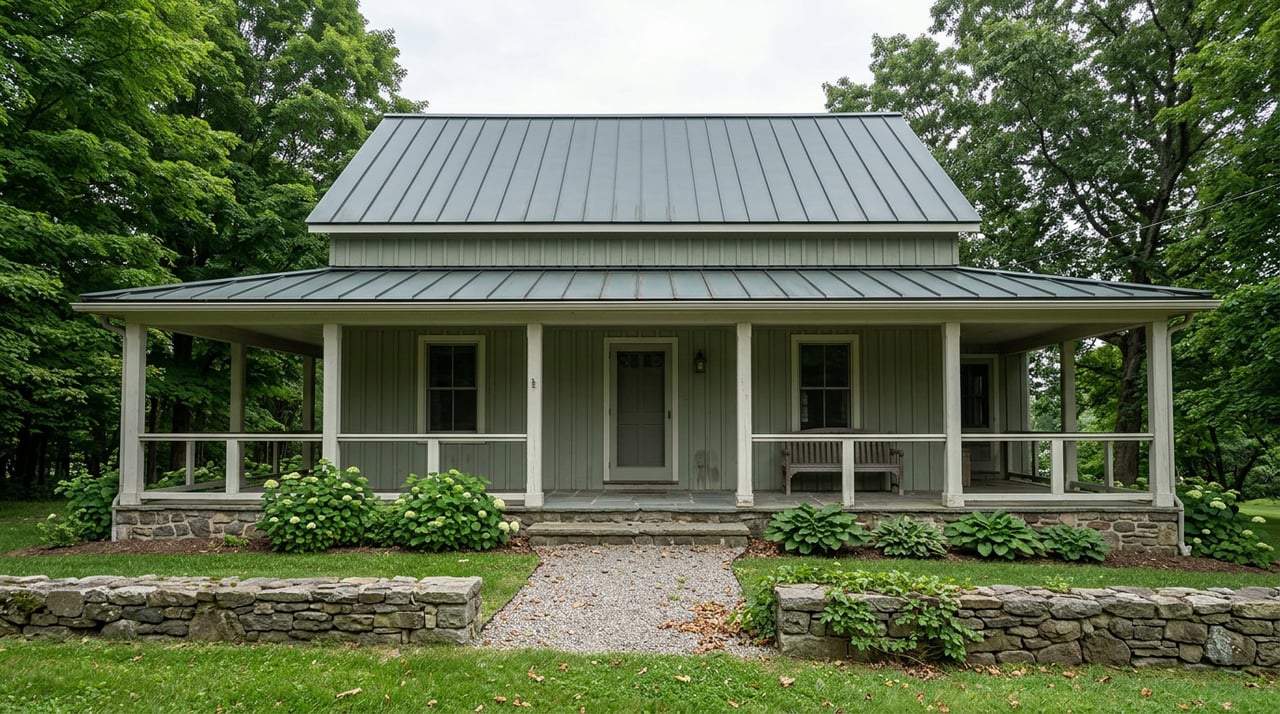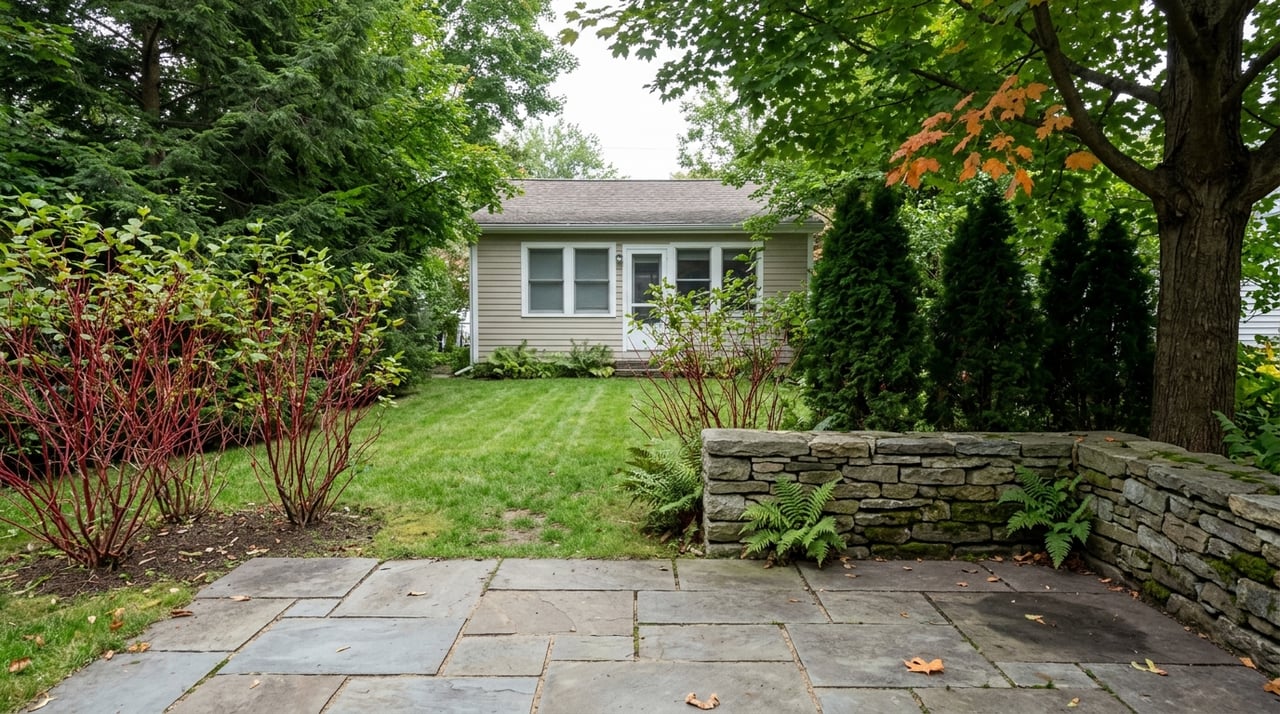
Picture two cottages a few blocks apart in Watkins Glen. Same era, same square footage, same walk to Franklin Street. One can be listed on a booking platform next season and start generating income. The other cannot, no matter what the seller's listing sheet implies, no matter how good the photos look, no matter how many five-star reviews a similar house two doors down has racked up. The difference has nothing to do with the house. It has to do with a permit count the Village of Watkins Glen fixed years ago and has not meaningfully expanded since.
That distinction is the thing most buyers researching Watkins Glen as an income property never see, because the market data they're looking at doesn't show it either.
The cap that most listings never mention
In 2019, the Village of Watkins Glen put a moratorium on new short-term rental approvals while it rewrote its zoning code, a project partly funded by the $50,000 the village set aside from its $10 million Downtown Revitalization Initiative grant. The moratorium got extended more than once while the village worked out the details, and it stayed in place into 2022.
When the new zoning law landed, it didn't just regulate short-term rentals. It capped them. Village Trustee Laura DeNardo explained the mechanics to FingerLakes1.com in 2022: the village allows short-term rentals in roughly 8 percent of its housing stock, about 81 properties. Everyone else who wants to operate one goes on a waitlist.
That's not a soft guideline that a sympathetic zoning board might waive for the right buyer. It's a hard number written into the village's current zoning law, and it applies to the construction, establishment, or operation of a short-term rental on any parcel inside the village line. If the 81 slots are full, a newly purchased property in the village does not get a permit just because the previous owner ran a long-term rental or lived there year-round. It goes on the list and waits.
The friction doesn't end once you have a permit, either. Existing short-term rentals are subject to inspection before their special use permit can be renewed, and at the village board's April 2026 meeting, trustees were still pressing code enforcement for faster action and clearer timelines on those renewals. In other words, this is not a settled, background rule that investors can treat as fine print. It is a live administrative process the village is still actively working through, four years after the cap took effect.
Why the market data blends two different legal worlds
Here's where it gets easy to misread the numbers. Aggregate short-term rental market data for "Watkins Glen," the kind pulled together by investment analytics platforms, typically covers a geographic area, not a legal jurisdiction. The Village of Watkins Glen sits inside the Town of Dix, and is bordered by the Town of Montour and the Town of Reading. Each of those towns runs its own separate zoning ordinance, adopted and administered independently of the village's.
A booking platform doesn't care about that boundary. Neither does most market data built on top of it. So when you see a figure like average annual short-term rental revenue for "Watkins Glen," you're looking at a blend of properties that are legally capped inside the village and properties operating under an entirely different set of rules a few miles away in Dix, Montour, or Reading. The market-wide average tells you what the whole labeled area is doing. It tells you nothing about whether the specific parcel you're considering can legally join that pool at all.
That distinction matters more than almost any other number in your due diligence, because it's a yes-or-no gate, not a variable you can price around.
What the numbers actually say, once you know the gate exists
With that caveat in place, the regional data is still worth understanding, because it shows you what's at stake on the right side of the gate. The figures below reflect short-term rental market data for the broader Watkins Glen area as of April 2026.
| Metric | Figure |
|---|---|
| Average home value | Around $353,000 |
| Average annual short-term rental revenue | Around $48,700 |
| Average daily rate | $292 |
| Overall occupancy | 22 percent |
| Peak month revenue (August) | About $8,800 |
| Slow month revenue (January) | About $1,050 |
| Year-over-year listing growth | 127 percent |
Two things jump out once you interpret this against the permit cap rather than in isolation.
First, the revenue is heavily seasonal, clustering around wine season and the region's motorsport calendar. A permitted property in the village isn't earning a steady $4,000 a month. It's earning almost nothing in January and a strong chunk of its annual total in a handful of summer and early fall weekends. Anyone underwriting a purchase against a flat monthly average is going to be surprised by the cash flow shape, whether or not the permit question ever comes up.
Second, and more telling for the thesis here: 127 percent year-over-year listing growth cannot be happening inside a village that has held its short-term rental count near a fixed 8 percent cap since 2022. That growth is happening somewhere else in the labeled market area, most plausibly across the town line where the cap doesn't apply. If you're comparing Watkins Glen's investment potential to another Finger Lakes town using platform-reported growth rates, you may be comparing a constrained, mostly full village market to a much more open surrounding one and calling it the same place.
The permit itself becomes the asset
There's a second-order effect worth naming plainly: when a village fixes the number of short-term rental permits at roughly 81 and stops issuing new ones, the permit stops being paperwork and starts being inventory. A cottage that already holds a valid, renewable village permit is not the same product as an identical cottage without one, even at the same list price. The first comes with a scarce operating right that a waitlisted buyer might spend years trying to obtain. The second is a house you'd need to add to a queue for.
That's a real pricing input, and it's one a buyer can and should ask about directly rather than assuming from the listing photos or the seller's description of past income. Ask whether the specific permit transfers with the sale, whether it's current on its renewal and inspection cycle, and whether the village's code enforcement office has flagged anything outstanding on the file, particularly given the renewal timeline concerns trustees raised this spring.
Three questions worth asking before you write an offer
- Is this parcel actually inside the Village of Watkins Glen, or across the line in the Town of Dix, Montour, or Reading? The village's zoning map and the county's town-and-village planning pages are the places to confirm this, not the listing description.
- Does the property currently hold a valid, renewable village short-term rental permit, and is that permit in good standing? A permit that lapses during a renewal delay is not the same guarantee as one that's active today.
- If there's no existing permit and the property is inside the village, what does the waitlist actually look like right now? The cap has held near 81 properties for several years. A buyer counting on a new permit opening up soon should treat that as speculative, not a near-term plan.
None of this means Watkins Glen is a bad place to buy an income property. The region's wine tourism, the state park, and the raceway keep genuine demand flowing into a compact village and the towns around it. It means the question that actually prices the opportunity isn't the market's average revenue or occupancy rate. It's whether the specific address you're looking at sits inside a capped system with a waitlist, or outside it in a jurisdiction that hasn't drawn the same line.
That's not a detail most national data sources are built to catch, because they're built around a place name, not a boundary. It's the kind of thing you only catch by checking the parcel against the map, then checking the map against the actual zoning file, before you decide what the house is worth to you.
If you're weighing a Watkins Glen property against its income potential, or trying to figure out which side of that village line a specific listing sits on, Mary St. George has spent years working these exact boundaries across the Finger Lakes. Call for a lakefront consultation before you make an offer, not after.