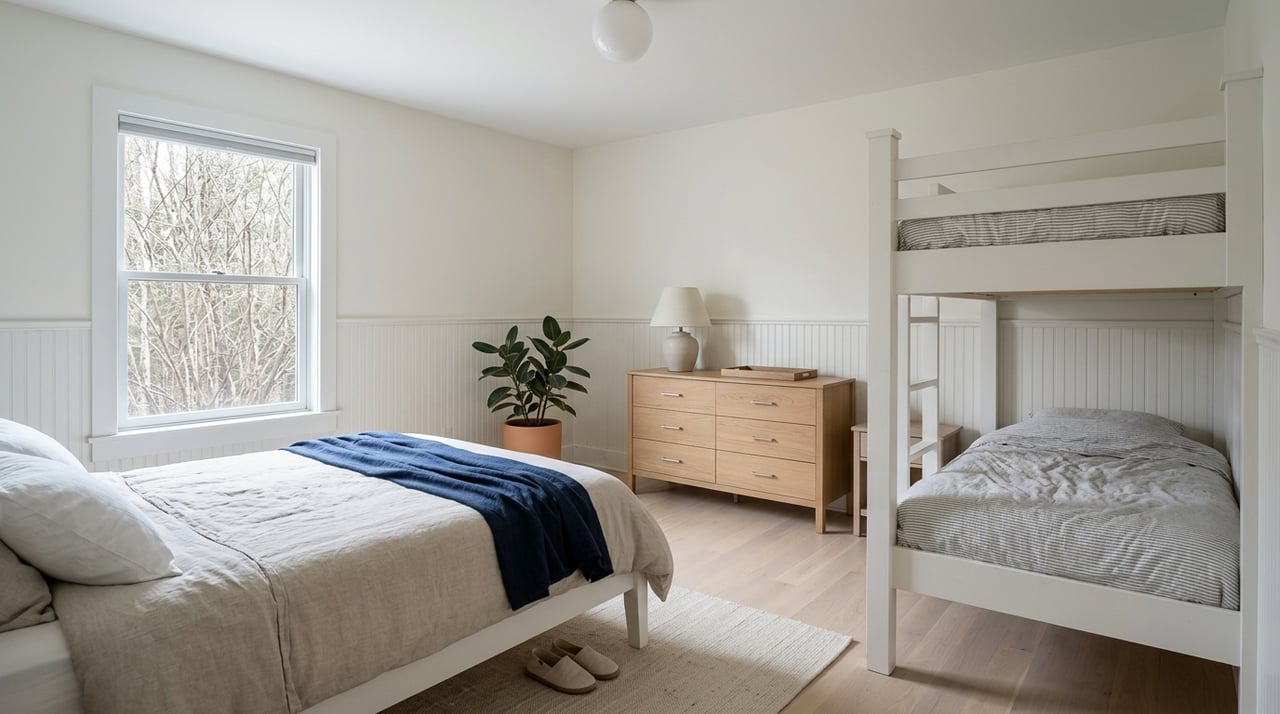
What makes a Canandaigua Lake home unforgettable to guests? It is rarely just the square footage or the furniture. On the lake, the homes people remember most pair beautiful views with easy living, durable design, and outdoor spaces that feel connected to the water without fighting it. If you want your home to welcome weekend visitors, appeal to future buyers, or support rental use, the right design choices can do a lot of heavy lifting. Let’s dive in.
Start With the Lake Experience
A memorable guest experience begins with how your home relates to Canandaigua Lake itself. This is a large, active Finger Lake with ongoing water-quality management, including attention to runoff and nutrient loading. That means smart design is not only about looks. It is also about protecting the shoreline, reducing maintenance, and helping the property function well over time.
When you design with the lake in mind, you create a home that feels more natural and easier to enjoy. Clear sightlines to the water, practical traffic flow, and thoughtful landscaping all add value. They also support the kind of relaxed, welcoming lifestyle that draws people to Canandaigua in the first place.
Design Interiors Guests Can Use
Guests tend to remember homes that feel easy to settle into. That usually means open common areas, simple furniture layouts, and bedrooms or bonus spaces that can handle changing needs. If your Canandaigua Lake home hosts extended family, weekend friends, or occasional renters, flexibility matters.
Buyer behavior supports this approach. Listing photos are one of the most useful parts of an online home search, and staging helps people picture themselves in the home. For lake properties, that means your interior should not only live well in person, but also read clearly in photos.
Keep Rooms Open and Focused
Clutter shows up fast in photos, and crowded rooms often feel smaller than they are. A better approach is to give each room one clear purpose and one focal point. In a lake house, that focal point may be the fireplace, the dining table, or the view itself.
Removing a piece or two of furniture can make a room feel larger and calmer. Opening blinds and using natural light can also help interiors feel brighter and more inviting. Even a simple plant arrangement can make a room feel finished without distracting from the space.
Prioritize Key Guest Spaces
If you are deciding where to invest time or money, focus first on the rooms guests notice and use most. Living rooms, primary bedrooms, and dining rooms are among the most commonly staged spaces for a reason. They shape first impressions both online and in person.
For a Canandaigua Lake property, these spaces should feel comfortable, light, and easy to move through. A dining area with enough seating, a living room arranged for conversation, and a restful bedroom setup can leave a stronger impression than trend-heavy decor.
Add Flexible Sleeping Options
Many lake homes need to do more than one job. You may use the property yourself, host relatives, and consider short-term rental use at different times of year. Flexible spaces can make that possible without making the house feel crowded.
Consider guest rooms that can double as an office, a den with a sleeper sofa, or a finished bonus area that supports overnight visitors. The goal is not to overfill the home with beds. It is to create sleeping options that feel intentional and comfortable.
Choose Materials for Lake Living
Designing for guests also means designing for moisture, shoes at the door, damp towels, and the everyday realities of waterfront living. In lake homes, pretty finishes are not enough. The best ones are durable, easy to clean, and quick to dry.
This matters most in entries, mudrooms, bathrooms, basements, and other damp-prone areas. Moisture control is central to mold prevention, and materials that handle occasional wet conditions better can support a healthier, lower-stress home.
Focus on Damp-Prone Areas
A smart mudroom or entry can quietly transform how a guest experience feels. When people have a clear place for shoes, bags, towels, and jackets, the whole house stays calmer and cleaner. That is especially helpful after a day on the dock or a rainy Finger Lakes afternoon.
In bathrooms and lower levels, easy-to-dry surfaces are worth prioritizing. In frequently damp areas, more mold-resistant materials can be a better fit than pressed board or particle board products.
Make Maintenance Part of the Design
A home guests remember is often one that feels effortless. Durable flooring, wipeable surfaces, and sensible storage make it easier to keep the property guest-ready. That matters whether you live there full-time or manage it from a distance.
Low-maintenance choices also support long-term value. In a waterfront setting, fewer fragile finishes usually means fewer headaches.
Create Outdoor Spaces Around the View
On Canandaigua Lake, outdoor design should help people enjoy the water without overwhelming the shoreline. The strongest lakefront spaces usually do not try to compete with the setting. They frame it.
That can mean a seating area that faces the lake, a simple path that improves circulation, or a patio that connects easily to indoor gathering space. These choices make the property feel welcoming while keeping attention where it belongs.
Let Seating Do the Work
You do not need an elaborate shoreline to create a memorable guest setup. A few well-placed chairs, a dining area with a clean line to the lake, and easy movement between house and yard often matter more than oversized hardscape. Guests notice whether a home makes the water easy to enjoy.
This approach also supports strong marketing. Outdoor spaces and lifestyle-focused images can be especially powerful in property photography, so it helps when those spaces are simple, usable, and visually clear.
Keep Plantings Low and Practical
Shoreline design should balance beauty, view protection, and site stability. New York guidance for shoreline stabilization favors natural approaches that follow the shoreline contour and use native, deep-rooting vegetation where possible. It also notes that low-growing native species can help stabilize the shore without blocking waterfront views.
For you, that means low, view-friendly plantings often make more sense than tall, dense screening at the water’s edge. A shoreline can feel cared for without being overly manicured.
Avoid Overbuilding the Shoreline
Hard vertical shoreline structures are not usually the first-choice solution. New York guidance does not encourage retaining walls in most cases because they can reflect wave energy and make erosion worse. In many situations, softer and more natural treatments are preferred.
That is an important design lesson for lake homeowners. In many cases, the best waterfront look is one that works with the shoreline rather than forcing it into a rigid edge.
Landscape With Water Quality in Mind
A beautiful lake property should also be a responsible one. Canandaigua Lake water quality is an active local priority, so landscaping choices around your home matter beyond the lot lines. The good news is that practical, guest-friendly landscapes often line up well with better environmental decisions.
Low-maintenance planting plans, reduced runoff, and thoughtful lawn care can all support a stronger property. They can also help preserve the clear, healthy lake setting guests come to enjoy.
Use Fertilizer Carefully
New York guidance says homeowners should use phosphorus-free lawn fertilizer unless they are establishing a new lawn or a soil test shows phosphorus is needed. It also says fertilizer should be kept away from water bodies except in limited situations and should not be applied from December 1 through April 1.
For lakefront owners, this is not just a yard-care detail. Fertilizers and chemicals can wash into the water and contribute to algae growth, which can affect the experience of being on the lake.
Think About Septic and Buffers
If your property uses a septic system, regular maintenance is important. New York guidance also notes that shrubs or trees between the septic system and the water can help capture nutrients.
That can shape how you think about landscape zones. You can keep your main gathering spaces open and guest-friendly while still using strategic planting to support the property and shoreline.
Plan for Rental Rules Early
If your Canandaigua Lake home may be used as a short-term rental, guest-friendly design should be planned alongside local rules, not after the house is furnished. The Town and City of Canandaigua regulate short-term rentals differently, and those rules can affect occupancy, layout, management, and operations.
This is where local waterfront knowledge matters. A home may look rental-ready, but legal guest count, parking, contact requirements, inspections, and tax obligations can all shape what makes sense.
Town of Canandaigua Considerations
In the Town of Canandaigua, operating a short-term rental for stays under 30 days requires a permit. Applications must include owner, manager, and 24-hour local-contact information plus floor plans. Permits last one year, are not transferable, and cannot be issued for more than 18 overnight guests.
A special use permit is required when occupancy exceeds 12 guests. The Town also requires a local residence or office, or a property manager who can arrive within two hours, along with insurance and compliance with fire, building, and health rules.
City of Canandaigua Considerations
In the City of Canandaigua, short-term rentals may be permitted in complete residential dwelling units except in R-1A and R-1B. In some districts, the unit must be the owner’s primary residence and may be rented for no more than 60 days per calendar year in stays of at least two nights.
City short-term rentals must be registered and periodically inspected. They must also comply with housing and fire codes, maintain guest records, avoid exterior alterations, and collect applicable county and local lodging tax.
Design for Compliance and Comfort
If rental use is part of your plan, design choices should support both guest comfort and operational clarity. Clear sleeping areas, easy bathroom access, durable finishes, and manageable outdoor gathering spaces all help. So does thinking realistically about occupancy rather than trying to squeeze in extra beds.
On the tax side, New York generally requires state and local sales tax collection on short-term occupancy when the rate is more than $2 per day, and local bed taxes may also apply. It is much easier to align the design with the intended use from the start than to retrofit later.
Think Like a Future Buyer Too
Even if you are designing for your own friends and family today, it helps to think about future resale. Buyers shopping Canandaigua Lake homes often respond to the same things guests do: usable outdoor areas, bright interiors, flexible rooms, and waterfront features that feel manageable.
That is where thoughtful design can become part of your value story. A house that photographs well, lives comfortably, and respects the shoreline tends to stand out for the right reasons.
A memorable lake home is not about overdesigning every corner. It is about making the view shine, helping guests feel at ease, and choosing materials and site features that fit waterfront life. On Canandaigua Lake, the homes people remember best are often the ones that feel both beautiful and grounded in the realities of the shore.
If you are thinking about buying, selling, or preparing a lake property for guests on Canandaigua Lake, Mary St.George (REAL Broker Finger Lakes) can help you look at the home through both a lifestyle and waterfront-value lens.
FAQs
How should you design a Canandaigua Lake home for guests?
- Focus on clear lake views, comfortable common spaces, flexible sleeping areas, durable finishes, and outdoor seating that makes the waterfront easy to enjoy.
What rooms matter most when staging a Canandaigua Lake house?
- Living rooms, primary bedrooms, and dining rooms are key spaces to prioritize because they strongly shape both guest experience and online presentation.
What landscaping works best on a Canandaigua Lake shoreline?
- Low-growing, native, deep-rooting plantings are often a strong fit because they can help stabilize the shore while protecting water views.
What should you avoid when improving a Canandaigua Lake shoreline?
- Avoid assuming hard vertical structures are the best solution, since New York guidance does not encourage retaining walls in most cases and often prefers softer, more natural approaches.
What should you know before using a Canandaigua property as a short-term rental?
- Check whether the home is in the Town or City of Canandaigua, because permit, occupancy, inspection, contact, and operating rules differ and should shape your design plans early.
Why do moisture-resistant materials matter in a lake home?
- Lake homes often deal with damp entries, bathrooms, and lower levels, so easy-to-dry and more mold-resistant materials can help support cleaner, lower-maintenance living.