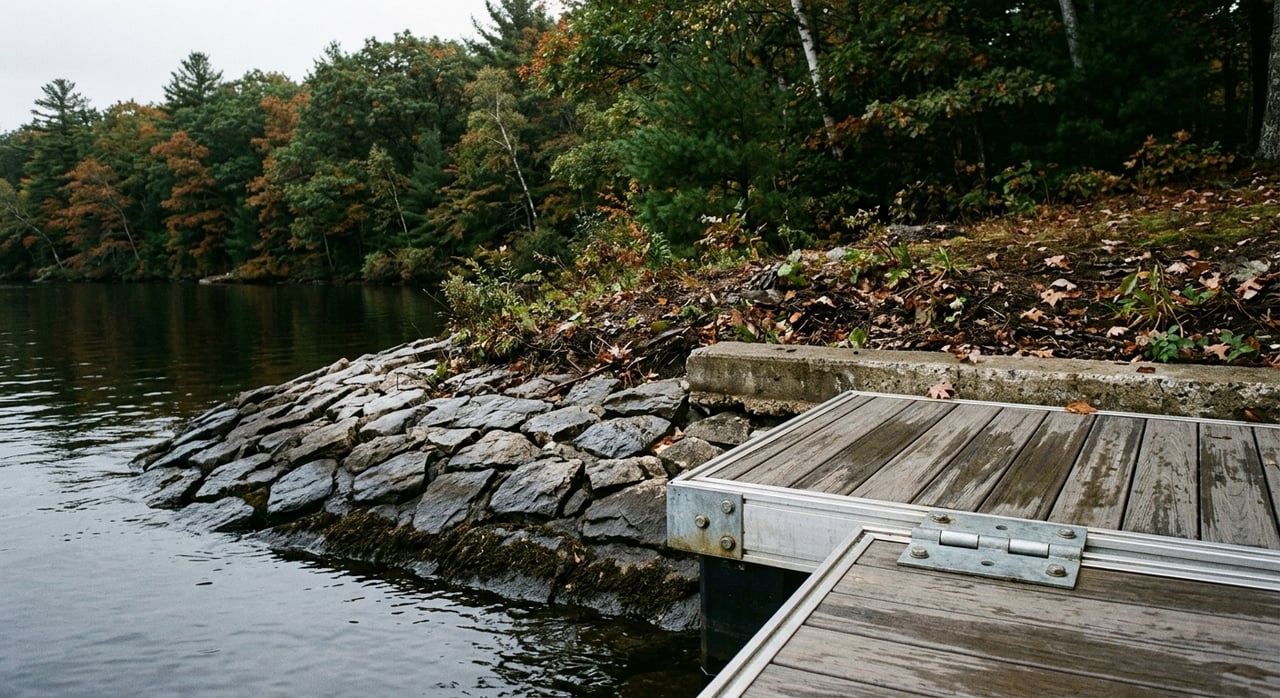
If you are shopping for lakefront property near Watkins Glen, the shoreline matters just as much as the house. A dock, boathouse, riprap wall, or steep bank can shape how you use the property and what you may need to maintain or change later. The good news is that with the right questions, you can spot opportunities, avoid surprises, and understand what comes with owning on Seneca Lake. Let’s dive in.
Why shoreline rules matter here
Watkins Glen sits at the south end of Seneca Lake, and waterfront property here falls under a layered set of rules. Depending on the parcel, you may be looking at New York State Department of Environmental Conservation review, Village of Watkins Glen waterfront and floodplain review, or Town of Dix zoning and floodplain standards.
This matters because Seneca Lake is both a recreation lake and a drinking-water source. That means shoreline work is not just about private property use. It is also treated as a water-quality issue.
What buyers should expect on Seneca Lake
Lake levels can change
Seneca Lake does not stay at one fixed level all year. Rainfall and runoff can change lake levels quickly, which can affect shoreline access, dock conditions, and how the waterfront looks from season to season.
If you are evaluating a property, ask how the shoreline performs during higher water periods. A dock that works well in one season may feel different during another, especially near the south end of the lake.
Shoreline conditions vary by parcel
No two lakefront parcels are exactly alike. Some have hard or rocky underwater bottoms, while others have muddier or more organic conditions near shore.
That difference is more than cosmetic. DEC permit materials specifically ask applicants to identify bottom type, and that can affect what shoreline or dock work may qualify under the current general permit.
Water quality is part of ownership
Nearshore water quality can also shape your experience. Seneca Lake Pure Waters monitors water quality and reports that shoreline conditions and nutrient availability can contribute to localized algae growth.
It also notes that Cladophora can grow on hard underwater surfaces and wash up along the shoreline. For buyers, that is a reminder to look beyond the view and ask practical questions about maintenance, cleanup, and seasonal conditions.
Steep slopes need extra attention
In the Watkins Glen and Dix area, steep slopes are a real factor on some parcels. The Town of Dix zoning code notes that slopes over 15% need special design consideration, both for erosion concerns and for flood protection.
If you are considering a bluff-front or hillside lot, pay close attention to access, drainage, and any signs of slope instability. A beautiful setting can still require careful planning.
How docks and shoreline work are reviewed
DEC rules are not one-size-fits-all
One of the biggest lakefront misunderstandings is assuming every dock is treated the same. In reality, DEC separates different types of structures and improvements, including floating docks, pile-supported docks, boat lifts, boathouses, ramps, riprap, bulkheads, and certain dredging activity.
The current statewide Lakes and Shorelines General Permit, GP-0-25-007, is effective from August 1, 2025 through July 31, 2030. It covers a range of common waterfront projects in DEC jurisdiction, but the details matter.
When a new dock may qualify
A new residential dock may qualify for general permit coverage if:
- no dock already exists
- the total surface area is 400 square feet or less
- no dredging is needed for navigational access
- the dock is built on open or floating supports
The same general permit also authorizes one open, frame-supported boat lift per dock.
What may be allowed for shoreline protection
The general permit also covers some common stabilization work. That includes shoreline stabilization using bioengineering methods and new riprap up to 150 linear feet where erosion is evident.
It also allows repair of functional bulkheads or riprap within the existing footprint, along with in-kind repair or replacement of existing functional boathouses, docks, platforms, and similar over-water structures. The phrase in-kind matters, because repairing or replacing something existing is not always reviewed the same way as adding something new.
Dredging can change the review path
Dredging is still a separate concern for many waterfront owners. The general permit covers limited maintenance or navigational dredging around existing dockage, but projects outside those thresholds or in excluded areas may need an individual permit.
If a listing mentions shallow water, improved access, or plans to deepen an area near a dock, ask follow-up questions early. This is one of those issues that can affect cost, timeline, and feasibility.
Paperwork matters more than many buyers realize
DEC application materials ask for project location maps, site photos, structure dimensions, erosion and sediment controls, and Mean High Water elevation. For you as a buyer, that is a strong reminder to ask whether existing shoreline features have a clear paper trail.
If a property has a dock, boathouse, lift, bulkhead, or riprap, try to confirm when it was installed, whether it was legally approved if required, and whether any later changes were made. Clean records can make future ownership much easier.
Why local municipality matters
Village of Watkins Glen review
If the parcel is inside the Village of Watkins Glen, waterfront property may fall within the Local Waterfront Overlay District. That can add a Local Waterfront Consistency Review on top of the base zoning rules.
The Village zoning law says this overlay is intended to protect sensitive waterfront areas and keep development consistent with the Village’s Local Waterfront Revitalization Program. The same zoning law also requires a floodplain development permit for construction and other development in areas of special flood hazard.
In some Village districts, a Boat Dock or Launch is listed as a special use, and a Marina is also a special use. That means dock-related uses are not automatically treated the same way everywhere.
Town of Dix standards
Just outside the Village, the Town of Dix has its own zoning code, planning board, and code enforcement process. The town code ties hillside development to erosion control and directs development in special flood hazard areas to the Town’s flood-damage-prevention law and Flood Insurance Rate Maps.
For buyers, the main takeaway is simple: crossing a municipal line can change the review path. Two nearby properties can look similar on the water and still fall under different local standards.
Private dock rules can add another layer
Some properties may also be affected by private club or association rules. For example, the Watkins Glen Yacht Club states that its docks are for members only, and anyone buying, leasing, or occupying a dock must first become a member and receive dock-master approval before the transaction is completed.
That is very different from public permitting. If a dock arrangement is tied to a club, association, or shared setup, ask for those rules in writing.
A smart buyer checklist
When you are evaluating waterfront property near Watkins Glen, these are some of the most useful questions to ask:
- Is the property in the Village of Watkins Glen or the Town of Dix?
- Is there a current survey showing the shoreline edge, dock footprint, easements, and measured dimensions?
- Was the existing dock, boathouse, lift, bulkhead, or riprap legally installed if approval was required?
- Is the shoreline bottom hard/inorganic or muddy/organic near the proposed or existing structure?
- Is any part of the property in a special flood hazard area?
- Are there signs of erosion, steep slope challenges, or access issues?
- If boating is part of your plan, are you prepared to follow Seneca Lake’s No Discharge Zone rules for sewage pump-out?
- Are there any private club, association, or dock-use restrictions?
This kind of due diligence can save you time and stress later. It also helps you compare properties more accurately, especially when one listing has a simple seasonal dock and another has a more complex shoreline setup.
What this means for your purchase
A waterfront listing can sound simple on paper, but words like dock, boathouse, riprap, or floodplain often carry more meaning than buyers expect. Near Watkins Glen, those features may involve state rules, local waterfront review, floodplain standards, and parcel-specific shoreline conditions.
That does not mean you should shy away from waterfront property. It means you should go in with a clear understanding of what you are buying, what may already be approved, and what future changes might involve.
When you work with someone who understands lakefront property, you can move past the glossy view and focus on the details that shape everyday ownership. If you want help sorting through shoreline questions, dock history, or what a Watkins Glen waterfront listing is really telling you, reach out to Mary St.George (REAL Broker Finger Lakes).