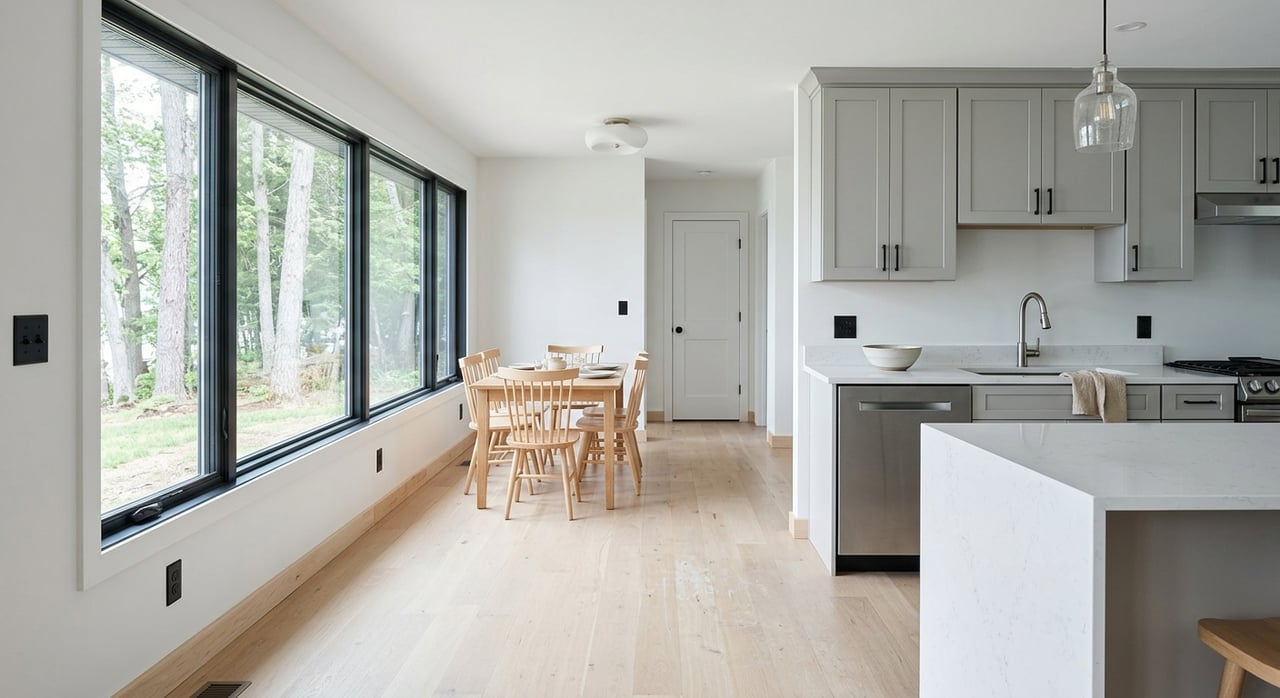
Dreaming about your first Keuka Lake home near Penn Yan? It is easy to fall for the view first and worry about the details later. But when you are buying near the water, the smartest move is to understand financing, property systems, shoreline rules, and flood risk before you get too attached. This guide will help you focus on the right questions so you can move forward with more confidence. Let’s dive in.
Why Keuka Lake Buying Is Different
Penn Yan sits at the north end of Keuka Lake, where many homes may involve waterfront or near-water details that do not always come up in a typical home purchase. Depending on the property, you may need to think about private water systems, septic, dock rights, shoreline permits, and flood exposure all at once. That is why your first lake home purchase needs a little more due diligence from the start.
If you are a first-time buyer, this can feel like a lot. The good news is that a clear plan can make the process much easier. When you know what to check early, you can enjoy the excitement of shopping without missing the practical issues that affect cost and long-term use.
Start With Your Budget
Before you tour homes, make sure your budget reflects the full cost of ownership, not just the purchase price. The Consumer Financial Protection Bureau says closing costs typically run about 2% to 5% of the purchase price, and those costs are separate from your down payment. You can review CFPB guidance on preparing your finances before buying a home.
Some buyers may qualify for low-down-payment financing, and in eligible rural areas, USDA guaranteed loans may offer 100% financing for primary residences. HUD also notes that FHA mortgage insurance can support eligible borrowers, including first-time and low-to-moderate income buyers. Still, lower down payment options can increase total loan cost over time, so it helps to look beyond the monthly payment.
Compare Loan Estimates Carefully
One of the best things you can do early is ask multiple lenders for Loan Estimates. According to the CFPB, you should compare loan amount, interest rate, monthly payment, mortgage insurance, lender credits, and total cash to close. Their guide on how to compare Loan Estimates can help you spot meaningful differences.
This matters even more with a lake property because extra costs may show up outside the mortgage. Insurance, system maintenance, and possible waterfront-related improvements can affect your comfort level with the monthly payment. A loan that looks good on paper may not feel as good once you account for real lake-home expenses.
Keep The Right Offer Contingencies
In a competitive market, it can be tempting to strip protections out of your offer. For a first Keuka Lake home, that can create unnecessary risk. The CFPB recommends keeping a financing contingency and a satisfactory inspection contingency so you do not overexpose yourself if the property or loan terms raise concerns. Their homebuying guidance explains how inspections, appraisals, and contingencies fit into the process.
It also helps to remember that an inspection and an appraisal are not the same thing. The lender generally requires the appraisal, but the inspection is what helps you understand the home’s condition. If issues come up, you may be able to negotiate repairs or a credit before closing.
Check Water And Septic Early
For many lake and near-lake homes, the biggest questions start with water and wastewater. Ask whether the property is on public water or a private well, what type of septic system is installed, and when the septic was last inspected or pumped. These basics can shape both your costs and your comfort level.
If the home has a private well, the well is the owner's responsibility. The EPA explains that private wells are not federally regulated like public water systems, which means testing and maintenance matter. New York State Department of Health guidance, summarized by EPA and Cornell Cooperative Extension, supports regular testing so you understand the quality of the water you will rely on every day.
What To Ask About A Private Well
If a home uses a private well, ask for recent test results and maintenance records. The EPA recommends annual testing for total coliform bacteria, nitrates, total dissolved solids, and pH, especially after flooding, repairs, land disturbance, or any change in taste, odor, or color. Their guide on protecting your home’s water also recommends using certified laboratories.
For a first-time buyer, this is not about assuming something is wrong. It is about making sure you understand the system you are inheriting. A clean report and a clear maintenance history can give you much more confidence going into closing.
What To Ask About Septic
Septic systems need routine care, and sellers do not always keep the same records buyers hope to see. The EPA says the average household septic system should be inspected at least every three years and pumped every three to five years. Systems with pumps or other mechanical parts usually need yearly inspection, according to the EPA’s septic system care guidance.
Ask what type of system is in place, when it was last serviced, and whether any repairs or updates have been made. If the home will be your primary residence, usage patterns may differ from a lightly used seasonal cottage. That can affect how soon you need to budget for maintenance.
Know If The Home Is Seasonal
Near Keuka Lake, some homes are set up for full-time living and some are better suited for seasonal use. That is an important distinction for first-time buyers. A pretty cottage may not automatically be ready for winter occupancy without upgrades or a clear cold-weather plan.
Cornell recommends keeping the heater above 55°F while away to help avoid frozen pipes, and Iowa State Extension guidance supports draining lines that can be emptied, disconnecting hoses, insulating exposed piping, and adding heat in vulnerable spaces. In practical terms, year-round homes need durable freeze protection, while seasonal cottages need a reliable shut-down and restart routine. You want to know which kind of property you are buying before you make plans around it.
Review Docks And Shoreline Rights
A dock can be one of the most appealing parts of a Keuka Lake property, but it is also one of the most important areas for due diligence. Do not assume an existing dock can always be kept, replaced, enlarged, or moved without review. Shoreline improvements often involve state rules, site conditions, and property rights.
The New York State Department of Environmental Conservation says its Protection of Waters Program covers docks, moorings, excavation, fill, and shoreline work. Some residential docks may be exempt, but freshwater wetlands or state-owned underwater lands can trigger additional review. If there is any uncertainty, DEC advises contacting the Regional Permit Administrator for the county.
Dock Size And Permit Basics
DEC’s current Lakes and Shorelines General Permit authorizes some new residential docks where no dock already exists, provided the dock is 400 square feet or less and does not require dredging for navigational access. It also covers certain repair and replacement work. Still, site conditions control whether a project qualifies, so general rules do not replace property-specific review.
That means your due diligence should include more than simply asking whether there is a dock. You also want to understand whether the existing setup is supported by current approvals and whether your future plans would fit within state requirements.
Underwater Lands And Legal Rights
The New York Office of General Services manages the state’s interest in underwater lands and says a lease, easement, permit, or other interest may be required before a dock or similar structure is built, replaced, or expanded on state-owned underwater land. Their guidance for water structures also notes that review ties into riparian rights and the rights of adjacent owners.
For buyers, this means title review matters. If dock rights, easements, leases, or shoreline use rights affect the property, you want those documents reviewed carefully during the transaction. This is one of the clearest ways to avoid surprises after closing.
Check Flood Risk Before You Commit
Lake views and water access can also come with flood considerations. FEMA says flood maps are the official source for flood-hazard information, and flood risk can change over time. That is why checking the map should happen early, not the week of closing.
Flood insurance is separate from your homeowner’s insurance policy. FEMA notes there is typically a 30-day waiting period, and high-risk properties with government-backed mortgages require flood insurance. The CFPB also recommends getting an informal insurance estimate before committing to a home in a high-risk area, which can help you understand the true monthly cost before you finalize your offer.
Your First-Lake-Home Checklist
Before you get emotionally attached to a property near Penn Yan, try to confirm these items:
- Your budget includes down payment, closing costs, insurance, and cash to close
- You have compared multiple Loan Estimates
- Your offer keeps financing and inspection contingencies in place
- You know whether the home uses public water or a private well
- You know the septic type, service history, and inspection timeline
- You understand whether the home is set up for year-round use or seasonal occupancy
- You have reviewed dock status, shoreline rules, and any related rights or permits
- You have checked FEMA flood maps and explored flood insurance costs if needed
This checklist may feel practical, but that is exactly the point. Good lake-home buying is about protecting your future enjoyment of the property. When the details are clear, it becomes much easier to say yes with confidence.
Buy The View With A Plan
Your first Keuka Lake home near Penn Yan can be a wonderful move, whether you want a weekend retreat or a full-time place by the water. The key is to balance the lifestyle dream with smart due diligence. When you understand the financing, systems, shoreline rights, and flood questions upfront, you put yourself in a much stronger position.
If you want help evaluating Keuka Lake homes with a local waterfront perspective, connect with REAL Broker Finger Lakes. You will get practical guidance on the details that matter so you can focus on finding the right fit, not just the prettiest view.
FAQs
What should first-time buyers near Penn Yan budget for closing costs?
- The CFPB says closing costs typically range from 2% to 5% of the purchase price, separate from your down payment.
What should first-time buyers ask about a Keuka Lake home’s well?
- Ask whether the home uses a private well, request recent test results, and review any maintenance records because private wells are the owner’s responsibility.
What should first-time buyers ask about a Keuka Lake home’s septic system?
- Ask what type of septic system is installed, when it was last inspected, and when it was last pumped or serviced.
What should first-time buyers know about docks near Penn Yan?
- A dock may involve DEC rules, site-specific permit questions, and possible underwater land rights, so do not assume an existing dock can automatically be kept or expanded without review.
What should first-time buyers know about flood insurance near Keuka Lake?
- Flood insurance is separate from homeowner’s insurance, may be required for some high-risk properties with government-backed mortgages, and usually has a 30-day waiting period.
What contingencies should first-time buyers keep when offering on a Keuka Lake home?
- The CFPB recommends keeping a financing contingency and a satisfactory inspection contingency to help reduce risk during the purchase process.