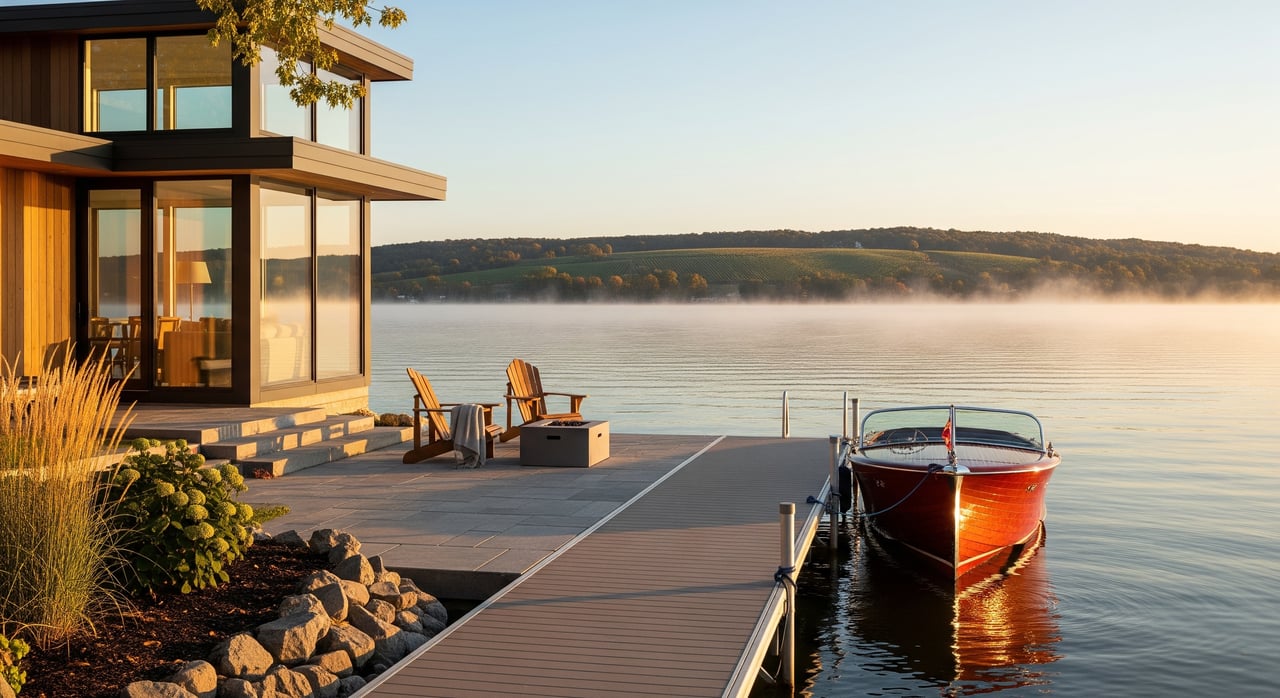
Imagine stepping onto your dock with a warm cup of coffee as the lake turns gold with the first light. You can feel the calm, hear the gentle tap of water against the pilings, and plan a day that moves at lake speed. If you are dreaming about Canandaigua Lakefront living, you likely want the everyday details, not just the postcard views. In this guide, you will learn what daily life feels like in each season, what ownership really involves, and how to decide if this shoreline is the right fit for you. Let’s dive in.
What a day feels like
Summer on the dock
Summer days start early and end late. You might paddleboard before breakfast, take the boat out for a midday swim, then grill on the patio while the sky softens at dusk. Many owners keep a small pleasure boat or pontoon and use their dock often. Outdoor spaces are oriented to lake views so evenings tend to drift outside.
Spring and fall days
Shoulder seasons bring balance. You can still boat until the first freeze and enjoy quiet coves. Off the water, you can hike country roads and nearby trails or plan a tasting afternoon at local wineries and cideries. You also use this time for practical tasks like inspecting docks, checking shoreline conditions, and scheduling routine service.
Winter pace
When snow and ice arrive, life shifts but does not slow. On cold, clear days you can snowshoe or cross-country ski. Ice fishing may be possible when conditions allow and local advisories confirm safety. Indoors, you gather with neighbors at restaurants, museums, and community events, and you focus on winterizing systems and storing gear.
Recreation by season
Warm-weather favorites
In the warm months you can boat, sail, paddle, swim, and fish. Lakeside dining, public beaches, and parks add easy options when you want to stay close to home. Fishing opportunities follow species rules and seasons, so plan outings with local guidance.
Cold-weather options
When temperatures drop, many residents turn to ice-based recreation where safe. Others explore indoor attractions, wineries, and restaurants that remain active year-round. Nearby trails and conservation lands provide four-season hiking and birding.
Neighborhoods and vibe
The shoreline mixes year-round residents, commuting professionals, retirees, and second-home owners. Areas close to the City of Canandaigua often offer sidewalks, parks, and municipal water and sewer. More rural stretches may rely on private wells and septic, offering a quieter setting and darker night skies. Internet and cell service can vary outside town centers, so it is smart to verify providers for a specific address.
Owning on the shoreline
Property types and utilities
You will find cozy cottages on narrow lots, roomy estates with substantial docks, condominiums with shared waterfront, and rural parcels with more acreage. Some homes tie into municipal water and sewer, while many along the rural shoreline use private wells and septic systems. Septic inspections and routine pumping are common and important.
Docks and riparian rights
Lakefront ownership often includes rights to reasonable use and access to the water. The exact details depend on deed language, local ordinances, and any homeowner association rules. Docks and seawalls face weather and ice, and they require seasonal installation, removal, and inspection.
Permits and compliance
In-water or shoreline work, like building or repairing docks and bulkheads, typically requires permits from local planning departments and New York State agencies. Some projects may also involve federal review for navigable waters. Before starting any project, confirm permit needs and timelines with the City or Town of Canandaigua and the state.
Flood zones and insurance
Many lakefront parcels fall within FEMA flood zones. If a property sits in a high-risk zone, your lender may require flood insurance. Insurance costs can vary based on elevation, structures, and prior claims, so review maps and talk with an insurance professional early in your search.
Wear and tear realities
Waterfront structures face wind, waves, ice heave, and floating debris. It is wise to plan for periodic dock, seawall, and shoreline repairs. Winterization and seasonal checkups reduce surprises. A contingency fund for exterior repairs is part of responsible ownership.
Annual maintenance rhythm
- Spring: Reinstall docks, schedule seawall checks, inspect irrigation, service HVAC, and test well water if applicable. Walk the shoreline to assess any winter damage.
- Summer: Monitor docks and lifts, manage vegetation and native buffers, and stay on top of minor repairs before they escalate. Keep septic maintenance on schedule if the property is not on municipal sewer.
- Fall: Remove or secure docks and lifts, winterize boats and irrigation, and trim trees away from structures. Inspect drainage and gutters before heavy snow.
- Winter: Check for wind and ice impacts after storms. Maintain safe access, and schedule quotes for any spring shoreline projects.
Budget and costs to expect
Waterfront homes usually carry a premium compared with inland properties due to limited shoreline and strong demand. Beyond the purchase price, plan for dock and shoreline upkeep, potential flood insurance, septic service if applicable, and higher exterior maintenance. If you plan to finance, note that appraisals may consider unique features like docks and bulkheads.
Getting around and amenities
Commutes and access
Most residents rely on cars for commuting and errands. From Canandaigua, it is about 35 to 45 minutes to Rochester depending on route and traffic. Geneva is roughly 20 to 30 minutes, and Syracuse is about 1 to 1.5 hours. Actual times vary by your specific location on the lake.
Parks, marinas, and attractions
Downtown Canandaigua offers restaurants, shops, farmers markets, and cultural venues. Public parks and access points make it easy to enjoy the lake even when you are not boating. Sonnenberg Gardens & Mansion State Historic Park provides scenic walks and seasonal events. Marinas, beaches, and launches support boating and swimming. Always confirm access rules and parking details before you go.
Food, wine, and trails
Canandaigua sits within Finger Lakes wine country. Wineries, cideries, and farm-to-table dining are a short drive from most shoreline homes. Regional trails and conservation lands make it simple to fill weekends with hiking, biking, and exploring.
Water quality and stewardship
Local groups actively monitor water quality, track harmful algal blooms, and promote shoreline best practices. In warm months, advisories can appear, so you follow updates from watershed and health organizations. Owners help protect the lake by maintaining vegetative buffers along the shore, limiting fertilizer use, and following boat-cleaning protocols to prevent aquatic invasive species.
Smart buyer checklist
Before you fall in love with a view, check these items:
- Flood zone and insurance: Review FEMA flood maps and get early quotes on coverage and premiums.
- Utilities and services: Confirm municipal water and sewer or plan for well and septic, plus trash, plowing, and road maintenance.
- Dock and shoreline status: Verify permit history, current condition, and any HOA or local rules for docks, lifts, and seawalls.
- Inspections: Budget for shoreline and seawall assessments, dock integrity checks, well and septic inspections, and a standard home inspection.
- Connectivity: Confirm internet and cell coverage for your specific address if remote work is important.
Short-term rentals and rules
If you are considering rental income, confirm zoning and any licensing needs with the City or Town. Some neighborhoods or associations set limits on short stays. Clear rules help you plan realistic occupancy and revenue.
How Lakefront Mary helps
Buying or selling lakefront is different from a typical residential move. You deserve a specialist who understands docks, shorelines, seasonal systems, and local permitting. As a Finger Lakes lakefront expert, Lakefront Mary pairs deep local knowledge with high-impact marketing that showcases the lifestyle and the property. You get calm, clear guidance from the first showing through inspections, permitting, and the handoff to trusted local contractors.
If you want a practical, people-first path to Canandaigua Lake living, reach out for a conversation. You bring the dream. We will bring the plan.
Ready to talk next steps? Connect with REAL Broker Finger Lakes for a Lakefront Consultation.
FAQs
What is daily life like in summer on Canandaigua Lake?
- Expect early paddles, frequent boating, swimming off your dock, and relaxed evenings outside with lake views and sunsets.
Do you need flood insurance for Canandaigua lakefront homes?
- Many parcels fall in FEMA flood zones, and lenders may require flood insurance for high-risk areas. Check maps and get quotes early.
Are harmful algal blooms a concern on Canandaigua Lake?
- HABs can occur in warm months. Residents follow local advisories and adopt shoreline best practices to support water quality.
Can you live year-round on Canandaigua Lakefront?
- Yes. Many residents live year-round. Consider winter access, heating, and whether the home has municipal services or well and septic.
What permits are needed for docks and shoreline work?
- Shoreline and in-water projects usually require local and New York State permits. Some work may also need federal review. Confirm requirements before starting.
What inspections should a buyer order for a lakefront home?
- Along with a standard home inspection, plan for shoreline and seawall assessments, dock integrity checks, well water testing, and septic inspection.
How long is the commute from Canandaigua to Rochester?
- Typical drive times are about 35 to 45 minutes depending on route, traffic, and where you live on the lake.
Are short-term rentals allowed on Canandaigua Lake properties?
- Rules vary by municipality and HOA. Check local zoning and any licensing requirements before assuming rentals are allowed.