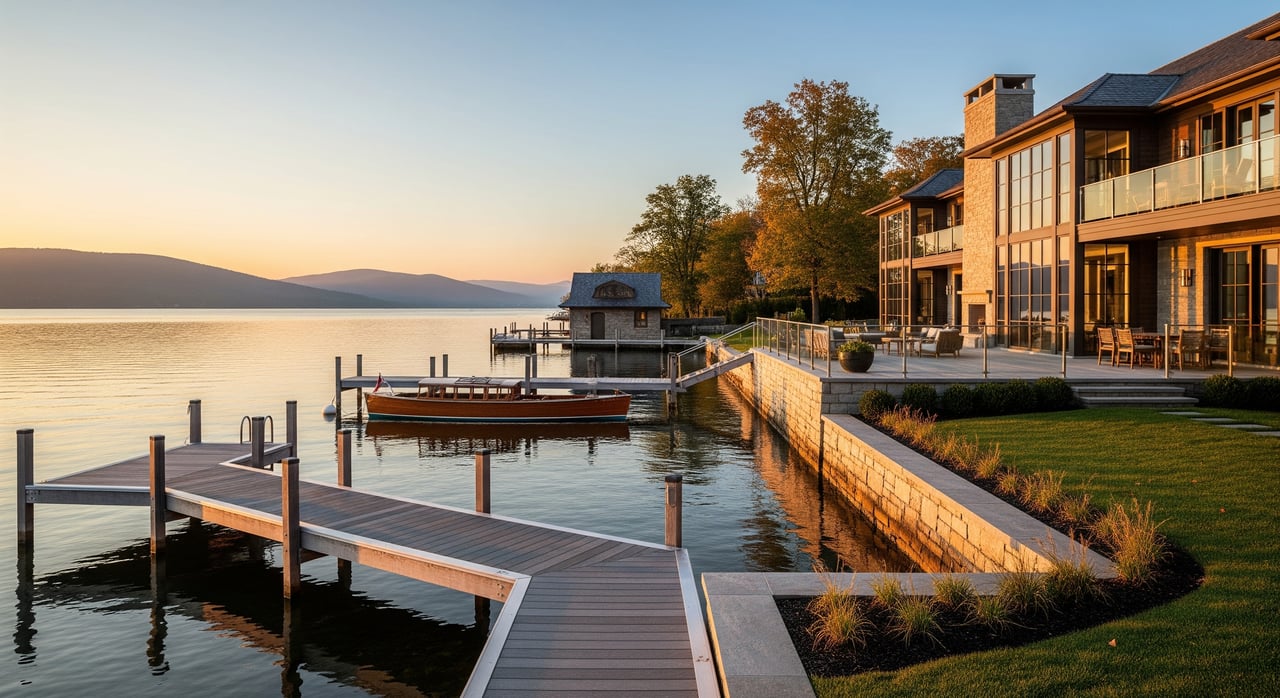
Why do two lake houses on the same shoreline sell for very different prices? If you are eyeing Canandaigua Lake, you have likely seen listings that look similar on paper yet vary wildly in price. You are not imagining it. The details that matter most on the water are often outside the four walls. In this guide, you will learn the specific factors that drive Canandaigua lakefront pricing so you can read a listing like a pro and focus on the value that fits your lifestyle. Let’s dive in.
The big drivers of lakefront value
Shoreline characteristics
Your shoreline is the foundation of value. Buyers and appraisers look closely at:
- Shoreline type. A natural, vegetated edge can feel more scenic and ecological, while hardened shorelines like riprap or bulkheads can help manage erosion and reduce long‑term maintenance.
- Frontage length and usability. More private, usable linear feet of shoreline usually means higher value. Curves, coves, and unusable stretches matter.
- Slope and access. Steep lots may require long stairs and limit yard space. A gradual slope that supports easy access and a small beach is a premium feature.
- Bottom and swim quality. Sand or soft bottom areas are prized for swimming. Rocky or mucky bottoms can reduce day‑to‑day enjoyment.
- Erosion history. Evidence of past erosion or recent shoreline work affects future maintenance expectations and permitting needs.
Bottom line: the same house on a different shoreline can be a different market.
Orientation and view
Sunrise or sunset. Protected cove or wide‑open horizon. These choices change price.
- Orientation. West‑facing properties that showcase lake sunsets often carry a premium. Orientation also affects sun exposure, wind, and wave action.
- View corridor. Unobstructed lake vistas beat partial views. Neighboring homes, tall trees, or topography can limit the view and the price.
- Seasonal shifts. Dense summer foliage can change what you actually see. Smart buyers compare photos and visit in different seasons.
Water depth, boating, and docking
For boaters, the water in front of the home is as important as the home itself.
- Near‑shore depth. Deeper water close to shore makes docking and swimming easier and more flexible.
- Docking rights. Existing, properly permitted docks, lifts, or boathouses add value. Restrictions, shared rights, or missing permits can reduce it.
- Shore exposure. Sheltered coves offer calmer water and easier docking. Exposed stretches see more wave action and require sturdier docks.
- Public vs private access nearby. A marina or public launch adds convenience, but it can also affect privacy and traffic.
Proximity to Main Street and amenities
Walkability is a lifestyle premium on Canandaigua Lake.
- Downtown access. Being close to Main Street dining, shops, and cultural venues usually boosts price per waterfront foot.
- Parks and marinas. Nearby access to places like Kershaw Park, waterfront parks, and marinas influences demand.
- Everyday needs. Proximity to grocery, health care, and commuter routes supports year‑round livability and resale appeal.
Condition, age, and winterization
Condition still counts, especially for homes you plan to use year‑round.
- Systems and structure. Updated kitchens and baths are nice, but roof, foundation, HVAC, and insulation drive real cost and comfort.
- Winterization. Fully winterized homes with year‑round systems command higher prices than seasonal cottages.
- Septic and water. Age, capacity, and compliance with local health rules affect both price and financing.
Legal, regulatory, and environmental
The rules shape your future use and your costs.
- Riparian rights and easements. Deeded water rights, shared docks, or access easements directly affect how you can use the property.
- Zoning and setbacks. Local zoning and shoreline setback rules can limit additions, boathouses, or dock changes.
- Permits for shoreline work. Many shoreline or dock projects require approvals that add time and cost.
- Flood and erosion risk. FEMA flood zones and documented erosion history can increase insurance and influence value.
- Water quality and HABs. Harmful algal blooms and aquatic invasive species can affect how and when you use the lake, which impacts perceived desirability.
Canandaigua‑specific context to know
Scarcity and seasonality
Waterfront on Canandaigua Lake is limited, and that scarcity supports a premium versus inland properties. Inventory and days on market follow the seasons, with the most activity in late spring and summer. Plan your search and pricing strategy with that cycle in mind.
Water quality and lake stewardship
The Canandaigua Lake Watershed Council monitors water quality, HAB advisories, and best practices for shoreline care. HABs or invasive species can change maintenance expectations and how you use the water in certain periods. Stay informed so you can weigh lifestyle benefits with practical upkeep.
Where to verify details locally
Before you make decisions, confirm facts with local sources:
- City and Town of Canandaigua planning and assessor offices for zoning, setbacks, permits, and tax records.
- Ontario County Real Property and GIS for parcel lines, dimensions, and assessed values.
- NYS Department of Environmental Conservation for aquatic invasive species guidelines and permitting.
- FEMA Flood Insurance Rate Maps for flood zone determinations that affect insurance and building requirements.
- Local MLS data and county sales records for recent comparable sales.
A lake‑specialist agent can help you gather these records and interpret what they mean for value.
How pros analyze price
Metrics appraisers and brokers use
You will hear a few common frameworks. Each needs context.
- Price per linear foot of shoreline. A quick index many people use. It must be adjusted for shoreline quality, orientation, depth, and usable frontage or it can mislead.
- Price per finished square foot. Helpful for homes of similar size and condition, but lakefront demands a premium that varies by lot and water features.
- Land and structure split. Some appraisers separate land value from improvements when a home is unique or the lot is the main driver of worth.
- Comparable sales. Recent waterfront comps, usually within 6 to 18 months, are adjusted for orientation, dockage, shoreline, house condition, and proximity to downtown.
Choosing and adjusting comparables
Stronger comps produce better decisions.
- Stay close. Favor sales on the same side of the lake with similar shoreline type and orientation.
- Adjust for the water. Account for linear feet of frontage, depth, dock or boathouse, and view quality.
- Weigh location. Walkability to downtown, parks, and marinas can justify higher price per waterfront foot.
- Consider the house. Year‑round systems, recent updates, and topography all push values up or down.
- Capture non‑physical premiums. Deeded private access or exclusive slips can change the math.
Limitations and cautions
Waterfront data sets are small, which makes averages volatile. Be cautious with family transfers or other non‑arm’s‑length sales that can skew numbers. Keep an eye on regulatory changes and environmental updates, since either can shift market perceptions quickly.
A quick checklist to judge a listing
Physical and amenity checks
- Measure private shoreline frontage and note whether it is usable end to end.
- Identify shoreline type and slope. Look for gradual access versus steep stairs.
- Ask about near‑shore depth at dock locations and typical water conditions.
- Confirm dock or boathouse presence and whether structures are properly permitted.
- Evaluate beach and swimming access, including bottom texture.
- Note distance to Main Street, parks, marinas, grocery, and medical services.
Legal and regulatory checks
- Confirm zoning, setbacks, and any shoreline ordinances with the City or Town.
- Ask whether past or planned dock or shoreline work requires permits and request documentation.
- Check FEMA flood zone status and ask for flood insurance history if available.
- Verify septic and potable water systems, inspection records, and compliance with county health rules.
Condition and cost checks
- Note the age and condition of roof, foundation, HVAC, well or public water, and septic.
- Verify winterization and year‑round readiness, including insulation and heating.
- Review any shoreline stabilization work, warranties, and associated permits.
- Estimate annual costs such as property taxes, shoreline maintenance, dock and lift service, any lake association fees, and flood insurance premiums.
Smart questions for the listing agent or seller
- What is the exact linear frontage, and is it fully deeded to this parcel?
- Are there shared or assigned docking or launch rights, and what restrictions apply?
- Have there been shoreline permits applied for or completed within the last 10 years?
- Are there known erosion issues or major stabilization projects on record?
- What are typical seasonal water conditions here, including wave action, ice, and algae?
What this means for you
If you love sunsets and boating, a west‑facing lot with deep water and a permitted dock may be worth a premium, even if the house needs updates. If year‑round living is your goal, winterization and system upgrades can matter more than a boathouse. If you want to stroll to dinner on Main Street, expect a higher price per waterfront foot in walkable stretches.
The best move is to decide which value drivers matter most to your lifestyle, then compare recent sales with those same features. A lake‑specialist agent can layer in local permitting, water quality context, and authentic comps so you bid with confidence.
Ready to sort the listings that look similar on paper but are very different in real life? Call Mary for a Lakefront Consultation. If you want a local partner who understands shorelines, docks, and lake life, connect with the team at REAL Broker Finger Lakes.
FAQs
Why do similar lake homes sell for different prices on Canandaigua?
- Shoreline quality, docking rights, orientation, usable frontage, and proximity to downtown often outweigh house size or finishes.
Do docks always add value on Canandaigua Lake?
- Properly permitted docks and lifts in deep water usually add value, while limited or unpermitted docking can reduce it.
How much does walkability to Main Street affect price?
- Walkable access to downtown amenities typically commands a premium, but the size of that premium varies by exact location and features.
Should I expect higher insurance costs on the lake?
- Often yes, since flood risk, erosion potential, and local market conditions can increase premiums, so check FEMA status and get quotes early.
How do I verify shoreline and docking rights before I buy?
- Review deed language for riparian rights, obtain a survey if frontage is unclear, request dock permits, and confirm details with local planning offices.