Dreaming about mornings on Canandaigua Lake, but not sure whether you want a simple cottage or a true four-season home? That question comes up all the time, especially when a property looks perfect in July but may feel very different in January. If you are weighing weekend escapes against full-time lake living, this guide will help you compare the real differences that matter in Canandaigua. Let’s dive in.
Why the choice matters
On Canandaigua Lake, the cottage versus year-round home decision is not just about size or style. It also affects how you use the property, what utilities you need, how much maintenance you should expect, and how well the home fits your day-to-day plans.
A summer place can be wonderful if you want a simpler lake lifestyle with an open-and-close routine each year. A year-round home can be a better fit if you want comfort in every season and a setup built for winter weather, regular utility use, and longer stays.
What defines a cottage locally
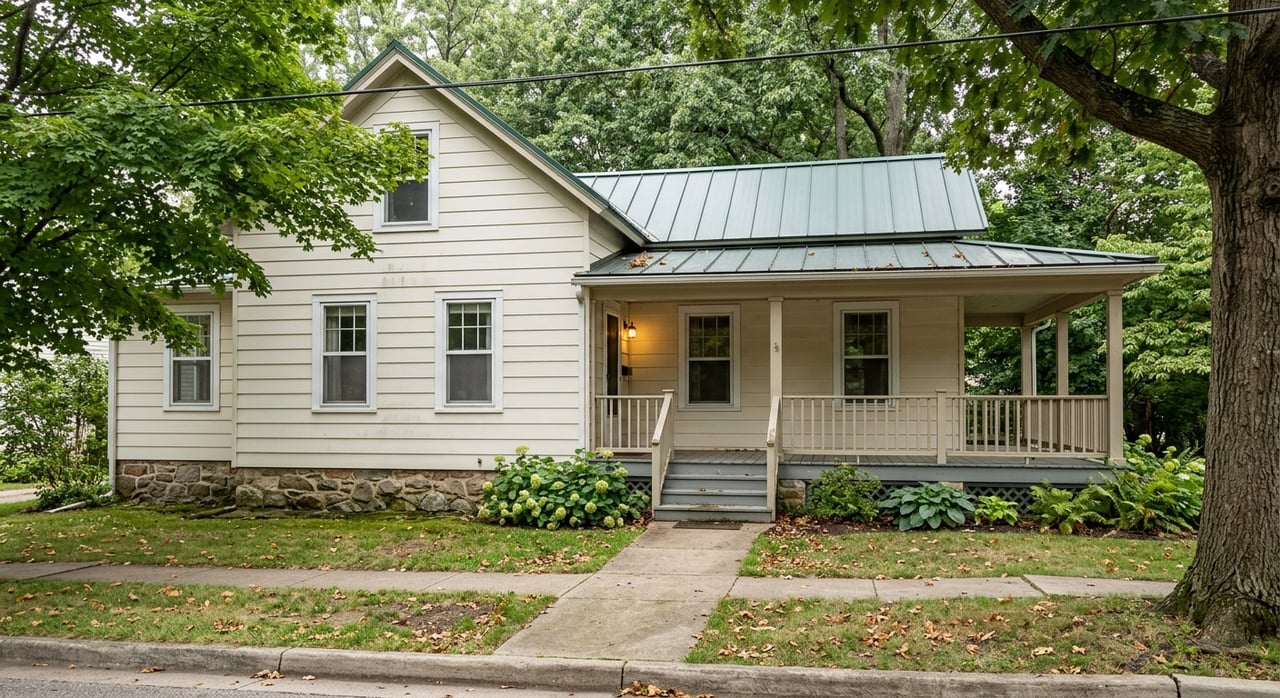
In Canandaigua, many older seasonal cottages started as smaller, simpler structures. Local planning records describe examples with open layouts, small kitchens, and even no internal plumbing or bathrooms, which shows how basic some seasonal properties were originally designed to be.
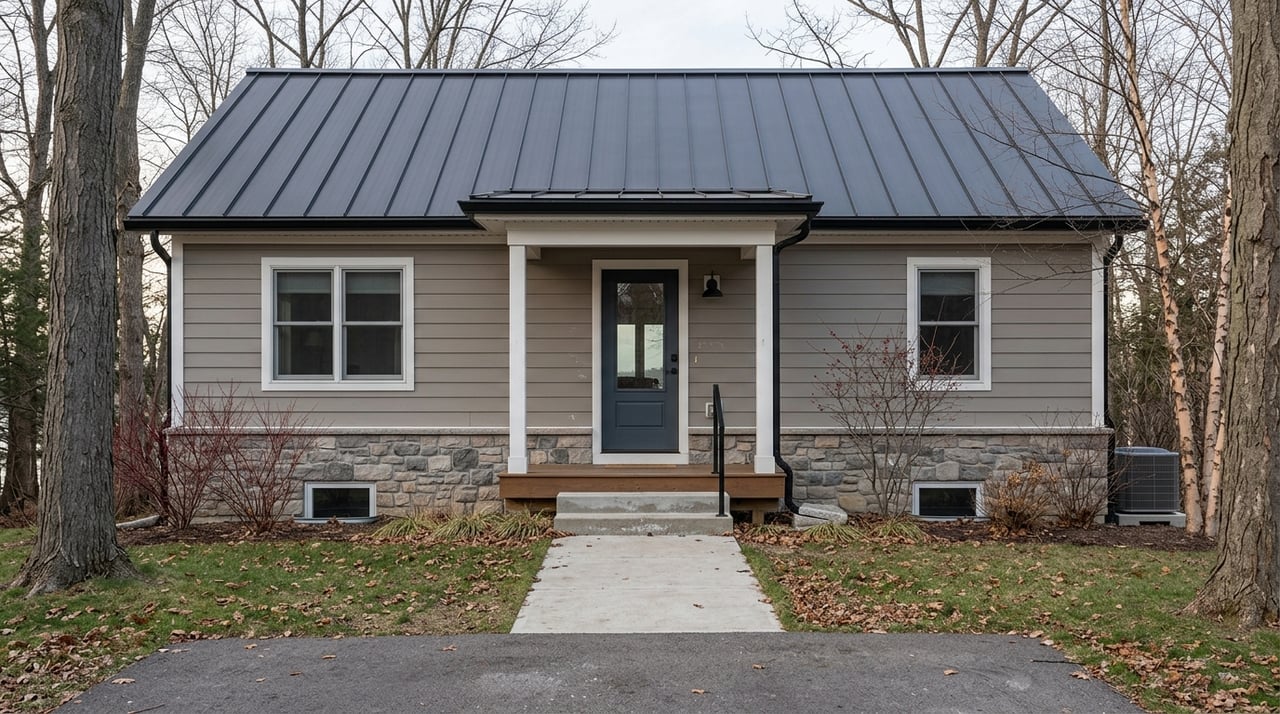
That does not mean every cottage is rustic today. Some have been updated over time, but the local pattern is still clear: cottages often have a smaller footprint, fewer systems, and a layout that works best for short stays rather than full-time living.
Common cottage features
When you tour a seasonal lake property, look for practical clues about how it was meant to function:
- Smaller interior square footage
- Limited bathroom count
- Compact kitchen space
- Less storage for winter gear and everyday living
- Fewer dedicated utility or mechanical areas
- A setup that may need seasonal opening and closing
These details can shape how comfortable the home feels if you plan to use it beyond the warm-weather months.
What defines a year-round home
A year-round home is usually built or updated for four-season use. Around Canandaigua Lake, that often means more enclosed living space, more complete bath and kitchen areas, and utility systems that can support winter occupancy.
Many lake buyers also look for features that make everyday life easier during colder months. A mudroom, better storage, a true mechanical area, and dependable heating can make a big difference when temperatures drop.
Common year-round home features
A four-season lake home often includes:
- More robust heating systems
- Full kitchen and bathroom layouts
- Better insulation and weather protection
- Space for coats, boots, and winter storage
- Utility systems designed for regular use
- A layout that supports longer stays or full-time living
In a place with freezing temperatures, these features are not just nice extras. They can directly affect comfort, upkeep, and peace of mind.
Utilities can make the decision easier
One of the biggest differences between a cottage and a year-round home is how the property handles water, sewer, and overall utility needs. In the City of Canandaigua, Public Works provides water and sewer service and handles street maintenance, storm sewers, and snow removal.
That can simplify year-round ownership for some buyers. Still, each property needs to be evaluated on its own because lakefront homes can vary widely depending on whether they use public utilities or private systems.
Public versus private systems
If a property has public water and sewer, that may support a more fully equipped home more easily. Local code even notes that when a lakefront lot is split by a street, a lakeside accessory structure can contain a restroom only when public water and sewer service are available.
If a home relies on a private well or septic system, you may have more maintenance to plan for. New York State Health Department guidance says private wells should be tested at least once a year for bacteria and every 3 to 5 years for other contaminants. Typical septic systems should also be inspected every 1 to 3 years and pumped every 3 to 5 years.
Winter use changes everything
A property that feels effortless in summer may require a very different routine in winter. Canandaigua’s climate includes freezing temperatures, so buyers should think carefully about pipe protection, heating reliability, and how the home functions when the lake season quiets down.
For many seasonal cottages, off-season use means shutting systems down or keeping only minimal heat to protect the property. That often includes draining or isolating water lines, insulating pipes, and managing the house carefully when it sits vacant.
Frozen pipes are a real concern
One of the biggest risks in cold weather is pipe damage. If a home is not properly heated or winterized, frozen pipes can rupture and create expensive repairs.
That is why winter-readiness should be part of every lakefront showing and home search conversation. If you are considering a cottage for shoulder-season or winter use, you will want to know whether it has already been winterized or updated for four-season occupancy.
Docks and shoreline rules matter too
On Canandaigua Lake, owning the shoreline comes with rules as well as rewards. The Town’s lakefront code is designed to protect the lake, shoreline, ridgelines, and scenic views, and those rules affect how lakefront lots can be used.
For example, the Town distinguishes between seasonal and permanent docks and hoists. Seasonal docks and hoists are designed to be removed each year, while permanent ones are not.
Seasonal dock timing
The Town allows seasonal storage of docks, hoists, and buoys from October 31 through May 31. That is an important detail if you are comparing a simple seasonal property with a year-round home and assuming lake access works the same way all year.
A cottage owner may be very comfortable with a more seasonal rhythm for waterfront equipment. A year-round owner may still follow the same rules, but often approaches the property with a broader full-season maintenance plan.
Layout questions to ask on every showing
When you walk through a Canandaigua Lake property, the right questions can quickly tell you whether it leans more cottage or year-round home. These are often the details that matter more than finishes or decor.
Ask about:
- How many true bedrooms and bathrooms the home has
- Whether there is a dedicated mechanical room
- If the home has been winterized for four-season use
- Whether water and sewer are public or private
- If the road is regularly plowed in winter
- Whether the dock is seasonal or permanent
- How much storage exists for winter gear and supplies
- What ongoing well or septic maintenance is required
These answers help you match the property to your lifestyle, not just your wish list.
Which option fits your lifestyle?
The best choice usually comes down to how you want to live on the lake. A cottage often fits buyers who want a relaxed summer retreat, a smaller footprint, and a property they can open in spring and close in fall.
A year-round home often fits buyers who want full-time lake living, extended seasonal stays, or a retirement move with everyday comfort built in. It usually comes with more systems to manage, but it may also offer more ease and flexibility throughout the year.
A cottage may be right for you if
- You want a summer-focused escape
- You are comfortable with seasonal opening and closing tasks
- You like a simpler layout and lighter interior systems
- You do not need full-time winter functionality
A year-round home may be right for you if
- You want to live on the lake in all seasons
- You expect reliable winter comfort and utility performance
- You want more storage, more baths, and more everyday livability
- You are prepared for regular heating, snow, and year-round upkeep
Think beyond the house
On Canandaigua Lake, the property is never just the house itself. Runoff, erosion, drainage, shoreline treatment, and flood-related concerns all play a role in ownership.
That is one reason buying lakefront property benefits from local guidance. A home can look ideal online, but the details that shape long-term enjoyment often show up in the utilities, shoreline setup, seasonal access, and local code context.
If you are trying to decide between a cottage and a year-round home on Canandaigua Lake, the smartest next step is to compare properties through the lens of how you actually plan to use them. For tailored guidance on lakefront cottages, four-season homes, docks, shoreline features, and what to watch for in the Finger Lakes, connect with Mary St.George (REAL Broker Finger Lakes).
FAQs
What is the difference between a cottage and a year-round home on Canandaigua Lake?
- A cottage is usually smaller and simpler, often designed for seasonal use, while a year-round home is typically built or updated for four-season living with more complete utilities, heating, and interior space.
What utility questions should you ask when buying a Canandaigua Lake home?
- Ask whether the property has public water and sewer or a private well and septic system, because that affects maintenance, long-term use, and what the property can support.
What winter issues matter for Canandaigua Lake properties?
- Freezing temperatures can affect pipes, heating systems, and overall livability, so you should ask whether the home has been winterized and how it is managed during colder months.
What are the Canandaigua rules for seasonal docks and hoists?
- The Town distinguishes between seasonal and permanent structures, and seasonal storage of docks, hoists, and buoys is allowed from October 31 through May 31.
What features make a Canandaigua Lake home easier to use year-round?
- Buyers often look for dependable heating, full bathrooms, a functional kitchen, storage space, a mechanical area, and utility systems that support winter occupancy.
What should you ask about road access at a Canandaigua Lake property?
- You should ask whether the road is regularly plowed in winter, because seasonal access and snow removal can affect how practical the property is outside the summer months.