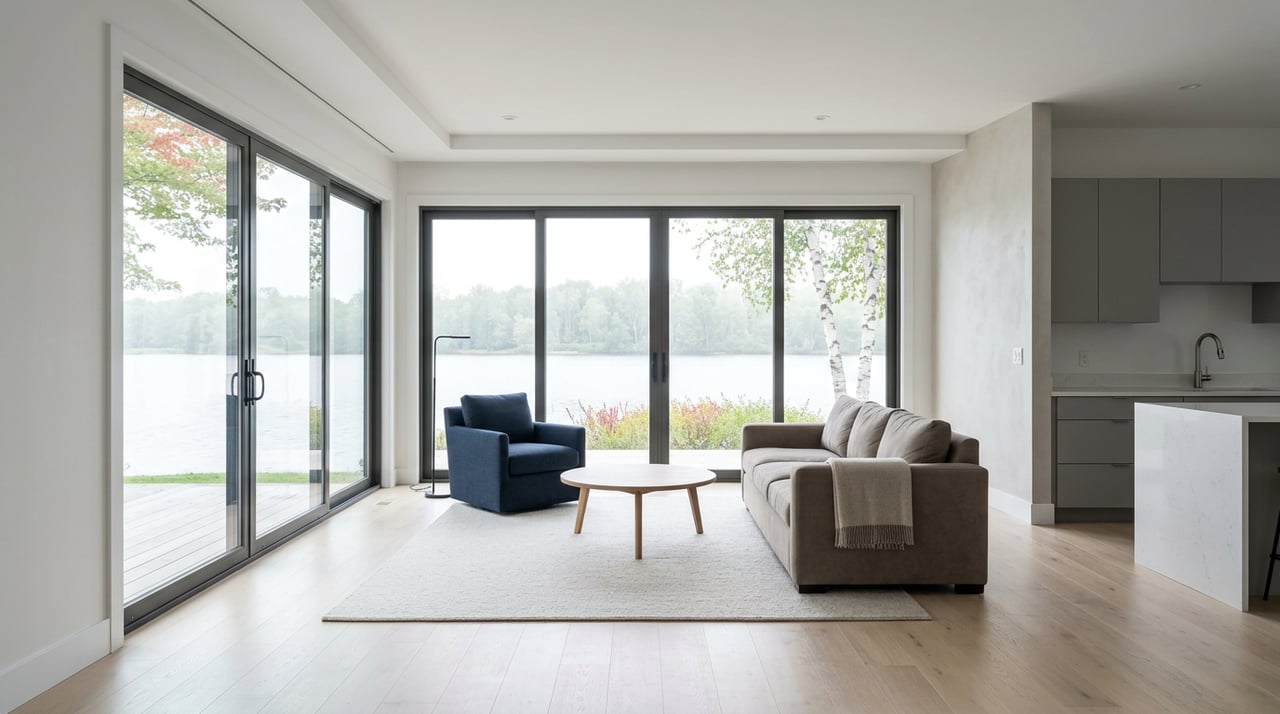
Selling a lakefront home on Canandaigua is not just about fresh paint and pretty photos. Buyers will study your shoreline, permits, septic records, and how ready the property is for boating season. If you prepare these pieces up front, you can reduce surprises and attract stronger offers. In this guide, you’ll learn what to fix, what to gather, and how to time your listing for the Canandaigua market. Let’s dive in.
What Canandaigua buyers value
Canandaigua Lake is a prized Finger Lake and a local drinking water source, so buyers pay close attention to water quality, shoreline condition, and legal access. The shoreline is also scarce, with most of it privately owned, which makes permitted docks and clear rights very valuable.
- Safe, permitted water access. Buyers want confidence that docks and moorings follow the lake’s rules and have records to prove it.
- Shoreline condition. A straight, stable seawall or a well-cared-for beach area is a big plus. Visible leaning or missing stones raises flags.
- Lifestyle and location. Proximity to public launches, marinas, and the City Pier can enhance convenience for visiting friends and boat service.
For quick context on why the lake’s stewardship matters, review local watershed resources on Canandaigua Lake’s management and quality. For a high-level look at the shoreline’s character and scarcity, see the Canandaigua Lake overview.
Pick the right timing
Spring through early summer is often the sweet spot because docks are in, shorelines are visible, and outdoor spaces shine. National research points to a mid-spring advantage, with increased buyer activity and strong list-to-sale results. You can use this as a guide, then prioritize full readiness over a specific date. See the latest insights in Realtor.com’s spring listing analysis.
Permit timing matters too. If you need dock or seawall work, start early so records and repairs are complete before showings. If repairs will run long, consider listing later in the season with clear disclosures and estimates.
Work backward from your target week
- 12+ weeks: Order a boundary survey if you lack a recent one. Pull municipal files for UDML permits and any dock or boathouse approvals. Book seawall and dock inspections if wear is visible.
- 8–10 weeks: Submit permit applications for shoreline repairs if needed. Schedule septic and well checks.
- 4–6 weeks: Wrap up shoreline fixes that impact safety or showings. Stage patios, decks, and paths.
- 2–3 weeks: Capture professional photos and drone. Finalize disclosures and your document packet.
Shoreline and dock checklist
Confirm permits and compliance
Canandaigua Lake uses a Uniform Docking & Mooring Law, implemented by local municipalities around the lake. This sets dock size, placement, and certificate requirements. Before you list, confirm your permit history, Certificates of Compliance, and any nonconformity status. You can review a helpful crosswalk and definitions in the UDML summary, then verify parcel specifics with your municipal enforcement office. City code references are available through the municipal e-code portal.
What to gather:
- Docking permits, certificates, and site plans from prior approvals.
- Any recorded agreements that affect moorings or consolidated facilities.
- A current boundary survey that shows property lines and facility areas.
When DEC and federal permits apply
Not all shoreline projects are the same. New seawalls, significant riprap, dredging, and work in or near wetlands may require New York State review. Get familiar with regulated activities through the NYSDEC Coastal Erosion Management program. If you are planning dredge or fill work in waters of the U.S., you may also need to coordinate with the Army Corps and obtain a state water quality certification. If that applies to your property history or upcoming work, flag it early.
Repair now or disclose clearly
Buyers notice seawall alignment, dock stability, and safe access to the water. If you see leaning, undermining, rotting timbers, or wobbly fixtures, bring in a qualified inspector. If the repair window is tight, provide the inspection and an estimate up front. Clear disclosure often prevents renegotiation and keeps closing on track.
Stage and market the lake lifestyle
Staging helps buyers picture themselves living by the water, and it can shorten time on market. Industry research shared by NAR found staged homes often sell faster and can attract better offers. Review a summary of these findings in this staging impact report.
Show the view first
- Wash windows and remove heavy drapes that block sightlines.
- Arrange living room seating to frame the lake in photos.
- Feature any sunrise or sunset vantage in your images.
Prep the shoreline and outdoor rooms
- Set up decks and patios with simple seating and dining areas.
- Tidy paths and steps to the water. Store personal watercraft and gear off-site.
- Rake any private beach area and remove debris for a safe, clean look.
Smart photography and drone
- Choose a calm day to capture clear water and reflections.
- Add an aerial sequence to show shoreline layout and neighboring context, while respecting privacy and property rights.
Paperwork buyers expect
Strong offers come from well-informed buyers. Aim to have a clean, complete packet ready before your first showing.
- Deed and recent boundary survey that shows lines and the shoreline interface. The UDML typically requires a survey for permits, so this document helps buyers and municipalities align on facts. See the UDML summary.
- Dock and boathouse permits, Certificates of Compliance, and any nonconformity certificates. Confirm municipal records through the e-code portal.
- Seawall or shoreline engineering reports, repair invoices, and clear photos that show condition.
- Septic records, pump receipts, and any inspection reports. If records are thin, consider a pre-list inspection. Ontario County’s Environmental Health page outlines local guidance for wells and septic systems.
- Well test results or public water connection records, if applicable.
- FEMA flood zone printouts and any elevation certificates. For county mapping updates, see this Federal Register notice for Ontario County map materials.
- Local water quality and HAB updates. Share the latest seasonal notes from the Canandaigua Lake Watershed Association.
- Any marina or HOA agreements that affect slips or dock use.
Who to contact for quick verification:
- Your municipal planning or code office for UDML permits, site plans, and certificates.
- NYSDEC Region office for shoreline and wetlands permits and public notices.
- Ontario County Public Health for septic and well guidance.
Amenities that help your story
Convenience matters. Many buyers appreciate nearby public resources that make lake life easier for guests and service providers. If your property is close to the City Pier, Kershaw Park, or a public launch, note it in your listing copy. For state-listed launches, reference the NYS Parks boat launch directory.
How buyers size up different shorelines
Every shoreline has trade-offs. Rather than comparing one stretch to another, most buyers will weigh a simple set of features during showings:
- Water access and depth at the dock for their preferred boat type.
- Exposure, privacy, and view corridors from main living areas and decks.
- Shoreline stability and maintenance needs, including seawalls and stairs.
- Convenience to marinas, public launches, and in-town services for supplies and dining.
Lean into your property’s strengths and be upfront about anything a new owner might need to maintain. Clear facts build trust.
Quick pre-listing checklist
- Order a current boundary survey if none exists from the last few years.
- Pull all UDML and municipal permit files for docks, lifts, and boathouses.
- Inspect docks and seawalls, then repair or disclose with estimates.
- Gather septic, well, flood, and water quality documents in a single packet.
- Stage indoor and outdoor spaces to highlight the lake view and safe access.
- Schedule professional photo and drone once shoreline and dock are show-ready.
Ready to talk strategy for your property and timeline on Canandaigua Lake? Reach out for a custom prep plan, a document checklist, and marketing that showcases your shoreline at its best. Call or message REAL Broker Finger Lakes to get started.
FAQs
What is the UDML for Canandaigua Lake and why does it matter when selling?
- The Uniform Docking & Mooring Law sets standards for dock size, placement, and certificates; having accurate permits and compliance records helps buyers and lenders feel confident, and you can review a helpful crosswalk in the UDML summary.
When is the best time to list a Canandaigua lakefront home?
- Mid-spring through early summer often brings the most activity because docks and outdoor spaces are active, and national analysis points to a spring advantage as seen in Realtor.com’s research.
Which documents should I gather before listing on Canandaigua Lake?
- Collect your deed and recent survey, UDML docking permits and certificates, septic and well records, seawall and dock reports, FEMA flood info, any HOA or marina agreements, and current HAB updates from the CLWA.
Do I have to fix a leaning seawall or wobbly dock before listing?
- Safety and function sell, so fix what you can before showings; if timing is tight, provide a professional inspection and repair estimate so buyers can price the work with confidence.
How do HABs and water quality affect buyer interest on Canandaigua Lake?
- Because Canandaigua is a drinking water resource, buyers pay attention to water clarity and seasonal HAB updates; sharing current reports from local watershed groups reduces uncertainty and supports informed decisions.
Will I need flood insurance for a Canandaigua lakefront home sale?
- It depends on your FEMA flood zone and lender requirements; pull your current FIRM data and any elevation certificates, and review Ontario County updates in the Federal Register notice.